 •1 min read•Samaneh Pardaz Soroush
Structured cabling is infrastructure that stays unchanged for years, so the choice of cable should be made with the future in mind.
Copper cable (Cat6 and Cat6A)
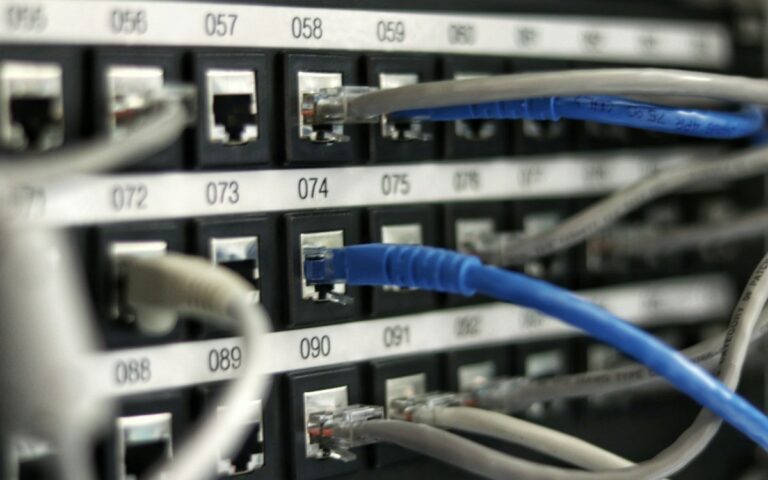
For connecting users, phones and cameras over distances of up to about 100 meters, copper cable is the economical, common choice. Cat6A supports 10 Gigabit over that whole distance and is the safer choice for new access points and high-power PoE.
Fiber optic
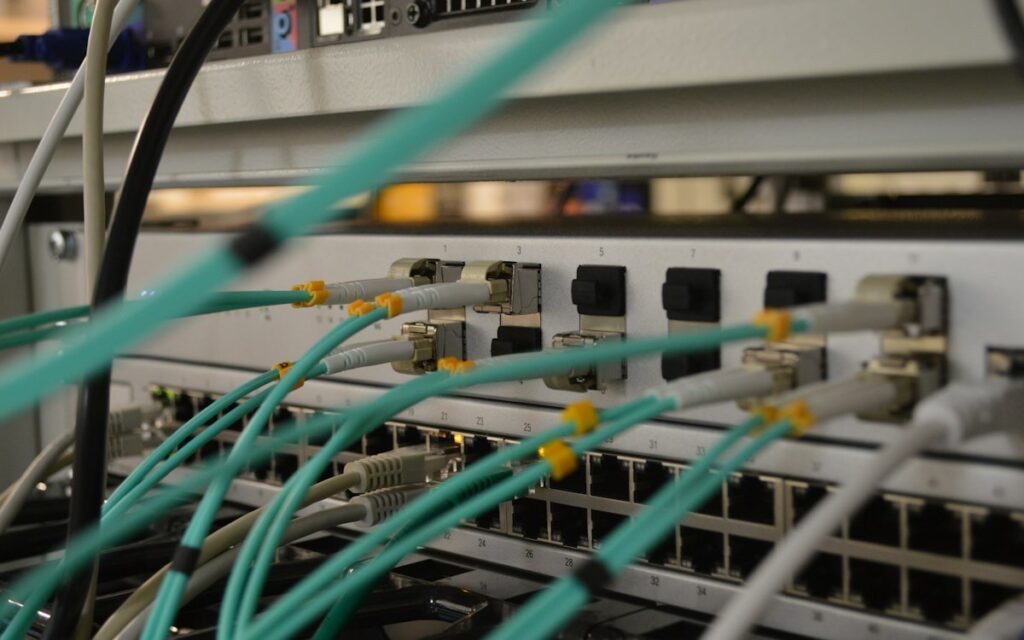
For links between floors and buildings, long runs and the network backbone, fiber wins: very high bandwidth, immunity to electrical noise, and distances from hundreds of meters to several kilometers.
- Multimode (OM3/OM4): for shorter distances inside buildings and data centers.
- Single-mode (OS2): for long distances and links between buildings.
A few recommendations
Choose SFP modules to match the fiber type and the length of the run, don’t cut corners on patch panels and cable trays, and after installation ask the installer to test and certify the links.